Scope 1 & 2 objective

-42%

reduction in absolute emissions by 2035 compared to 2023 (excluding SLN)

aligned with a 1.5°C trajectory
of the Paris Agreement

Scope 3 objective

-31%

in intensity by 2035 vs 2023
(CO2 emissions from customers for processing one ton of Eramet’s manganese ore)

The Group’s reduction of its climate impact is based on:

  • reducing CO2 emissions across its entire value chain, including Scope 1 (direct emissions produced by the company) and Scope 2 (indirect emissions related to purchased energy: electricity, steam, etc.), as well as emissions from its partners, clients, and suppliers (Scope 3);
  • developing activities in metals necessary for the energy transition of the industry.

Acting in favor of the energy transition

Because they enable the development of technologies necessary to reduce our dependence on fossil fuels, Eramet’s metals are at the heart of the fight against climate change. They are essential for the production of rechargeable batteries, particularly for electric vehicles and renewable energy storage.

Nickel enhances the performance and lifespan of batteries, while lithium allows for the storage of large amounts of energy in a compact volume. Our Centenario plant in Argentina, which began production in 2025, is the first in the world to implement Direct Lithium Extraction technology on an industrial scale to produce highly efficient, sustainable lithium carbonate, tailored for electric vehicle batteries.

Acting to decarbonize our value chain

Faced with the climate emergency, Eramet is deploying a strategy aligned with the Paris Agreement.

As early as 2021, the Group committed to reducing its absolute scope 1 and 2 emissions by 40% by 2035 compared to 2019, as well as engaging 67% of its customers and suppliers in a decarbonization initiative by the end of 2025—an ambition validated by the SBTi (Science Based Targets initiative).

In 2025, Eramet took a new step by developing a 1.5°C trajectory (excluding SLN, which maintains a well below 2°C trajectory) for its mining and metallurgical activities, with 2023 as the reference year. This trajectory covers all scopes 1, 2, and 3 and is reviewed by independent organizations.

The Group’s decarbonization objectives are established based on a science-based methodological framework specifically developed for composite sectors that combine mining and metallurgy. This methodological framework enables companies like Eramet to define objectives consistent with their activities and aligned with the trajectories of the Paris Agreement.

The 4 levers of decarbonization at Eramet

Each of Eramet’s production sites has a program tailored to its specific context and aligned with the Group’s objectives. The key decarbonization projects for our activities focus on:

  • Sobriety and efficiency of our production assets (energy efficiency, electrification, recycling, etc.);
  • Decarbonization of pyrometallurgical processes in furnaces through the substitution of fossil carbon-based reducers with biogenic reducers;
  • Decarbonization of the electricity consumed, partially by using natural gas as a substitute for fuel oil, or entirely through renewable energy sources;
  • CO2 capture, utilization, and sequestration.

Eramet also aims to reduce the emission intensity generated by its customers during the processing of manganese ores sold by the Group. These emissions account for more than 70% of the Group’s absolute scope 3 emissions.
Our decarbonization projects

Eramet Sauda

Eramet Sauda: a pilot site for decarbonization and industrial innovation

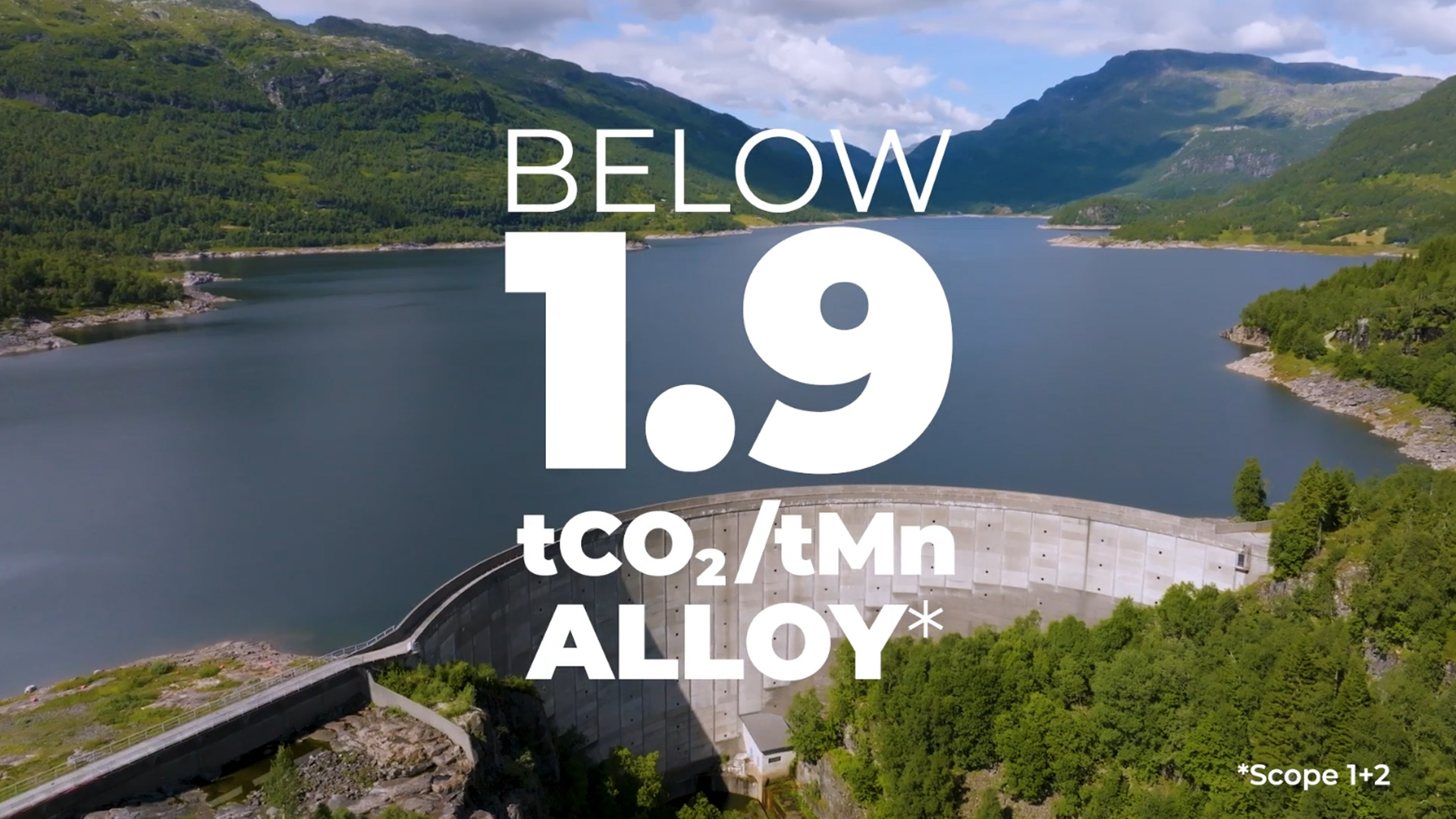
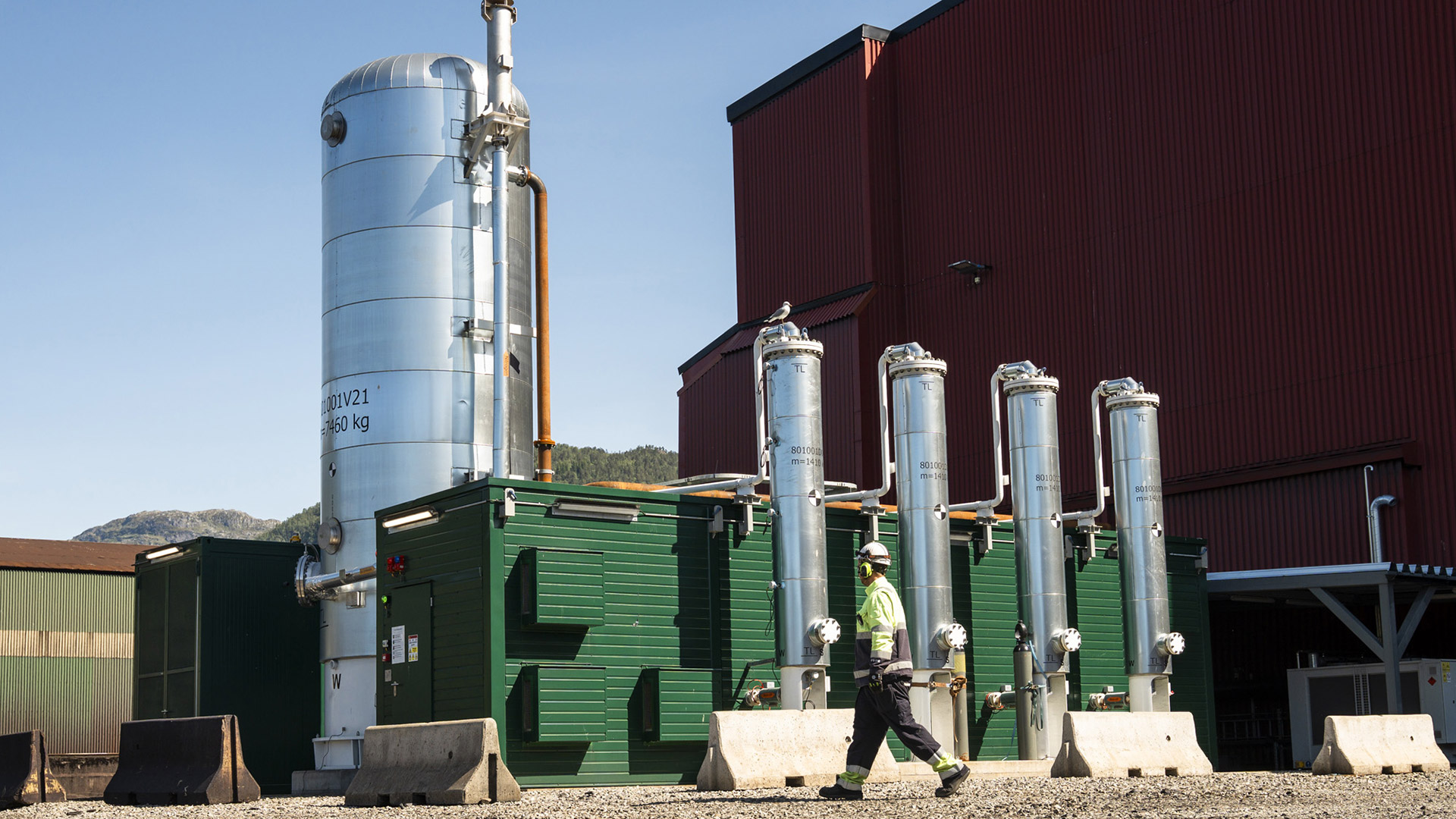
Located in Norway and powered by renewable hydroelectric energy, the Eramet plant in Sauda is a model of low-carbon manganese alloy production. The site hosts several innovative projects to reduce its carbon footprint:

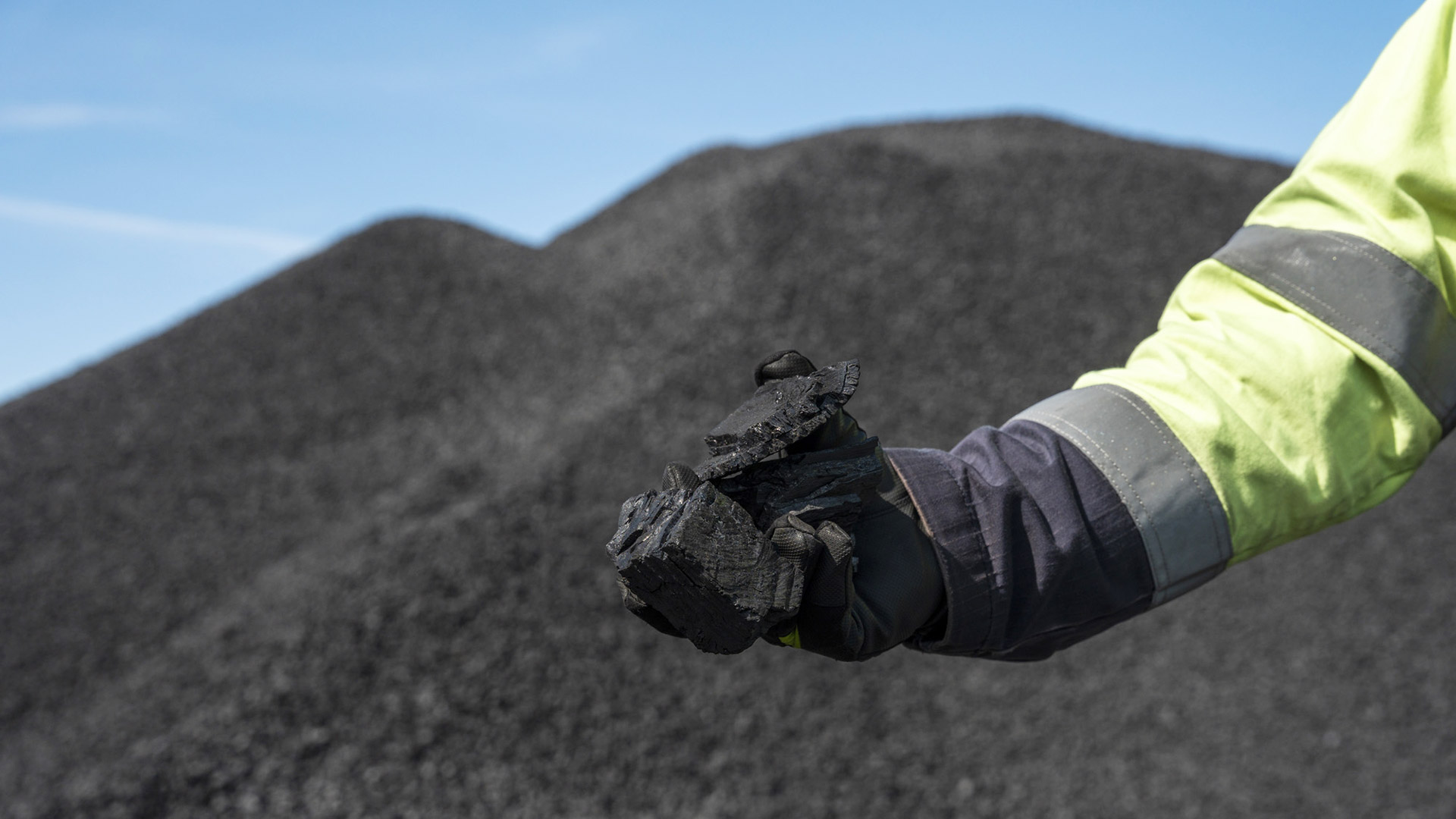
  • Bio-reduction: Trials are underway to replace fossil coke with plant-based charcoal in the furnaces, a more environmentally friendly alternative.
  • Energy recovery: An Energy Recovery Unit (ERU) captures furnace gases to produce up to 100 GWh/year of electricity and an equivalent amount of heat, thereby improving the site’s energy efficiency by 30 to 40%.
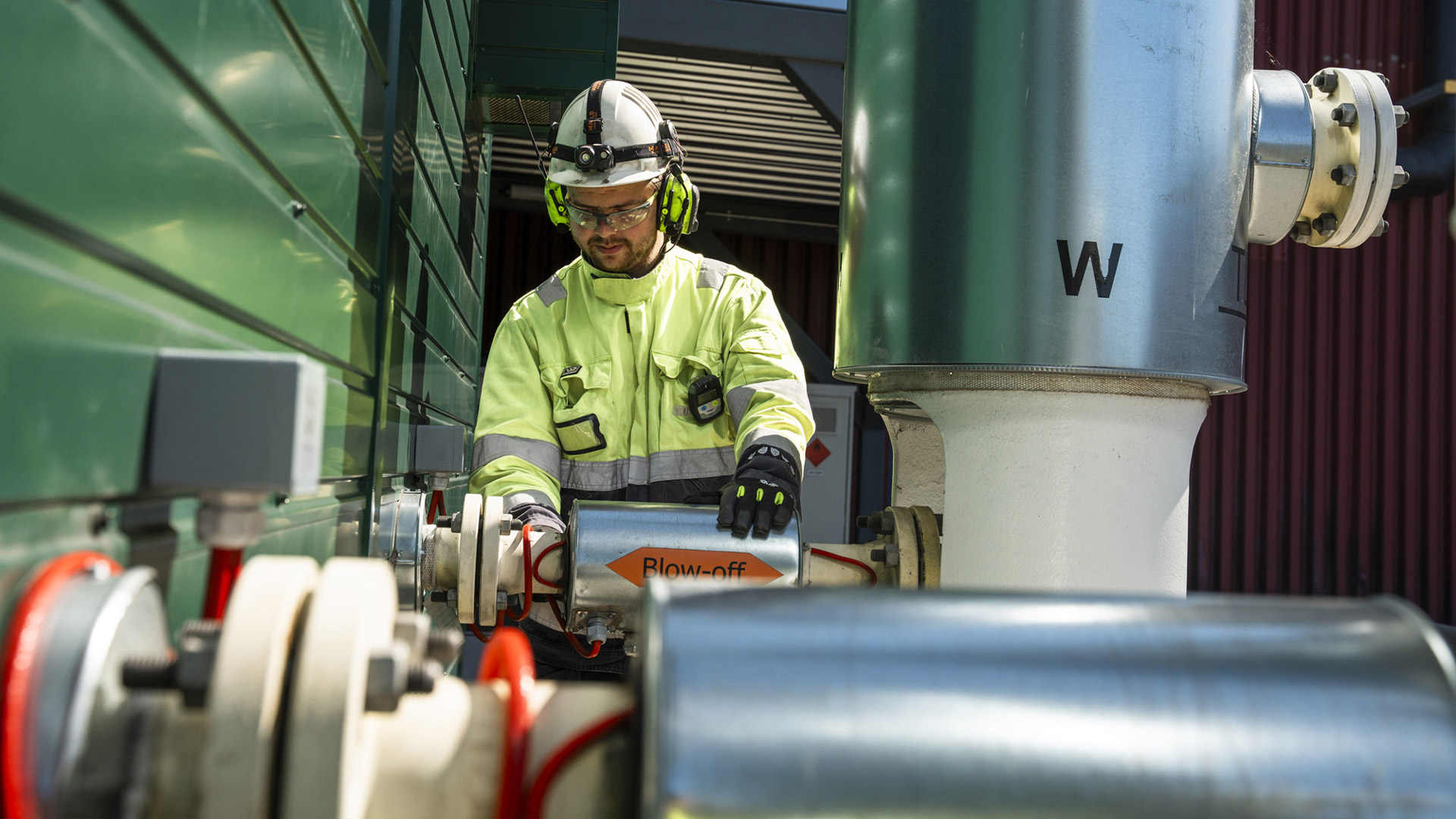
  • CO2 capture and storage (CCS): A pilot facility, operational since August 2025, aims to capture 70% of the site’s emissions, approximately 260,000 tons of CO2 per year, and host treatment trials using bio-reducers.

Eramet Sauda thus stands out as a true laboratory for energy transition, contributing to the responsible transformation of manganese.

Bio-réducteurs

The use of bio-reducers

In 2023, Eramet launched a Project Directorate dedicated to bio-reduction, which involves the use of reducers derived from renewable organic materials (wood, agricultural waste) in furnaces as a replacement for fossil coke. These reducers are carbon-neutral because the CO2 emitted during their use is offset by the CO2 absorbed during plant growth. Several trials are underway to adapt these solutions to industrial processes in the Group’s furnaces. A program to valorize forest waste was initiated in Gabon, and tests were conducted in 2024 and 2025 at sites in Moanda, Gabon; Marietta, United States; and Kvinesdal, Norway. The objective: to better understand the impact of these new reducers on smelting processes and determine the achievable substitution rates. Eramet aims to use 200,000 tons of biogenic reducers per year by 2035.

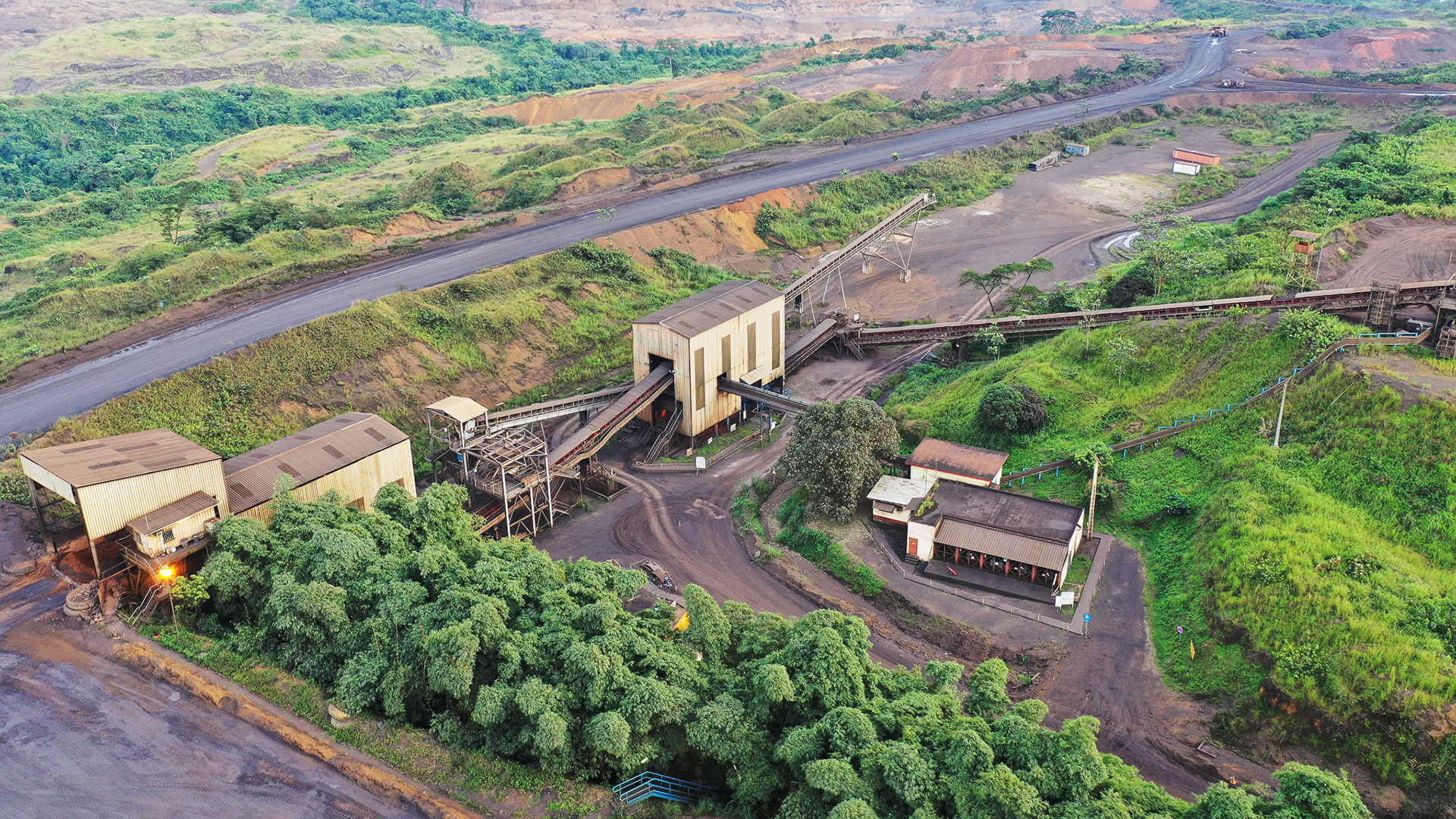
Eramet-Comilog-convoyeur-Prehomo-carriere

Replace thermal mobile equipment with conveyors and electric equipment

To transport the ore to its shipping location from the Okouma plateau in Gabon, situated 200 meters high, an electric conveyor was installed in 2023. Replacing truck traffic, it eliminates this source of fuel consumption and is also equipped with a system that generates electricity from the ore’s potential energy during its descent. Furthermore, the mining site is powered by electricity from a hydroelectric dam. Finally, the Group is continuing its efforts to electrify its handling and transport equipment at its mining sites.

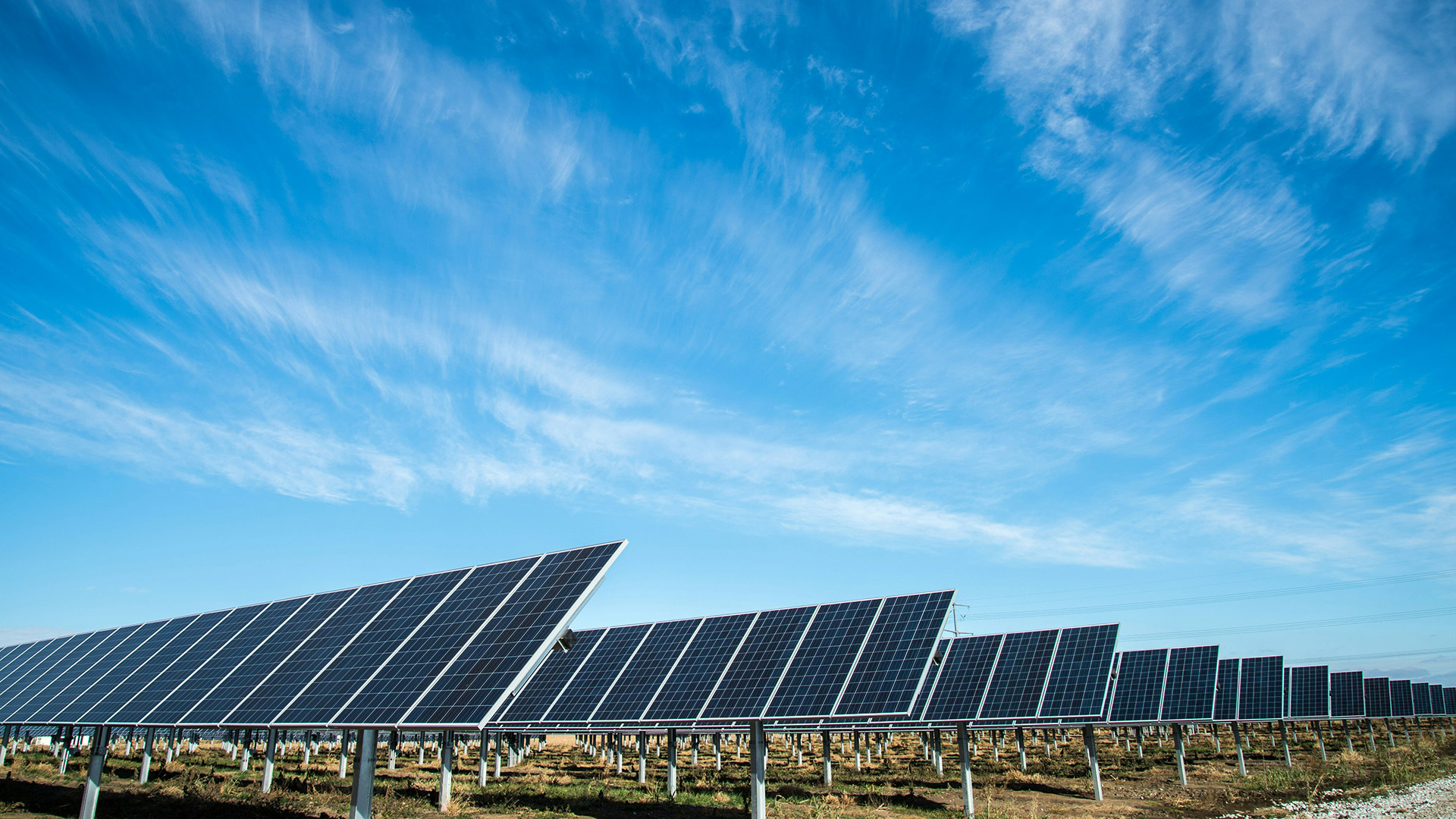
Centrale-solaire

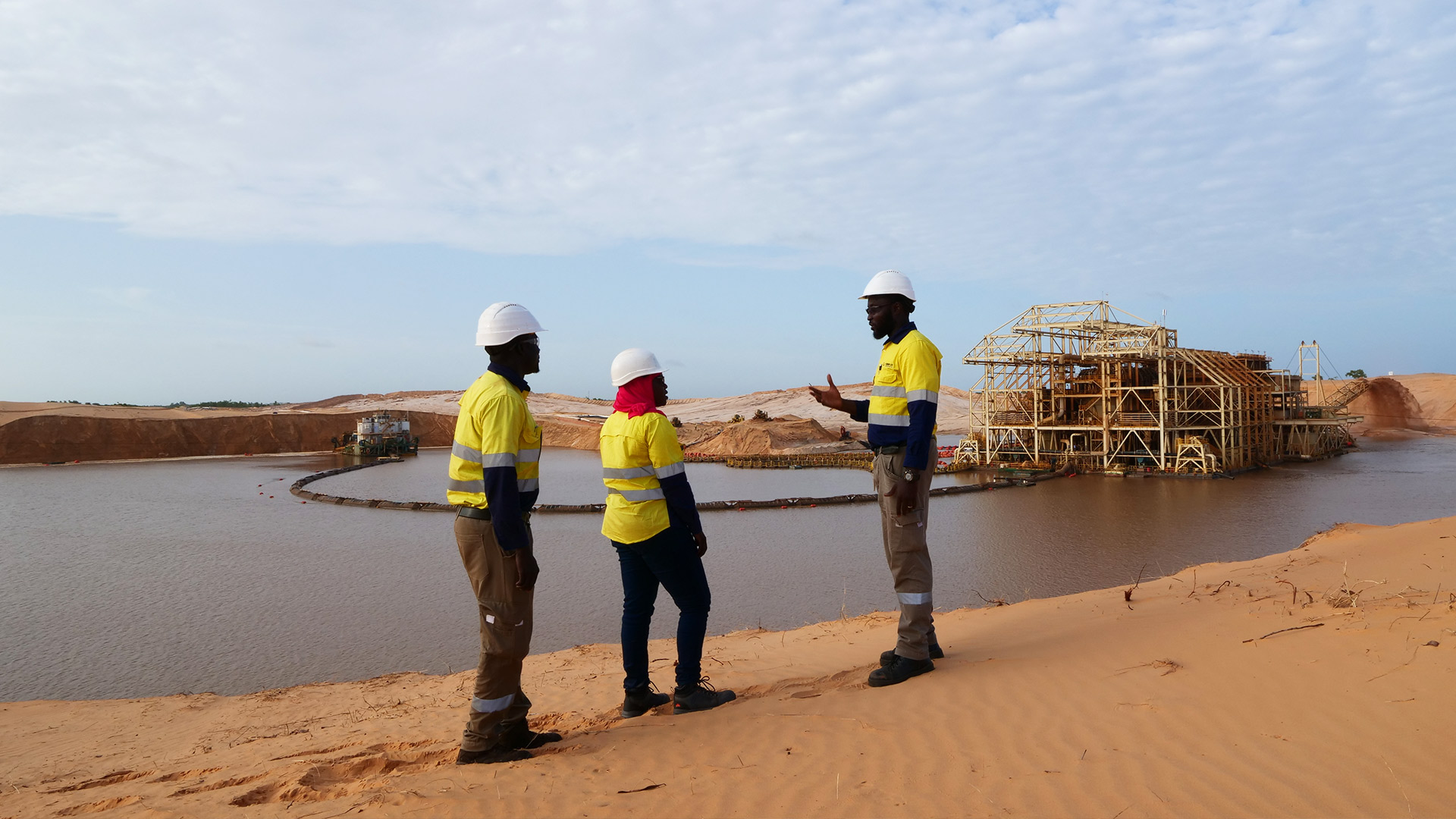
A photovoltaic solar power plant in Senegal

Eramet Grande Côte and JUWI Renewable Energies announced in November 2024 their collaboration to develop a hybrid solar power plant equipped with an energy storage system using batteries. The solar power plant will produce 20 MW of solar energy with battery energy storage of 11 MW/11MWh. The installation will significantly reduce fuel consumption and CO2 emissions from the Eramet Grande Côte mineral sands mine (approximately – 25,000 tCO2). Its commissioning is scheduled for 2026.

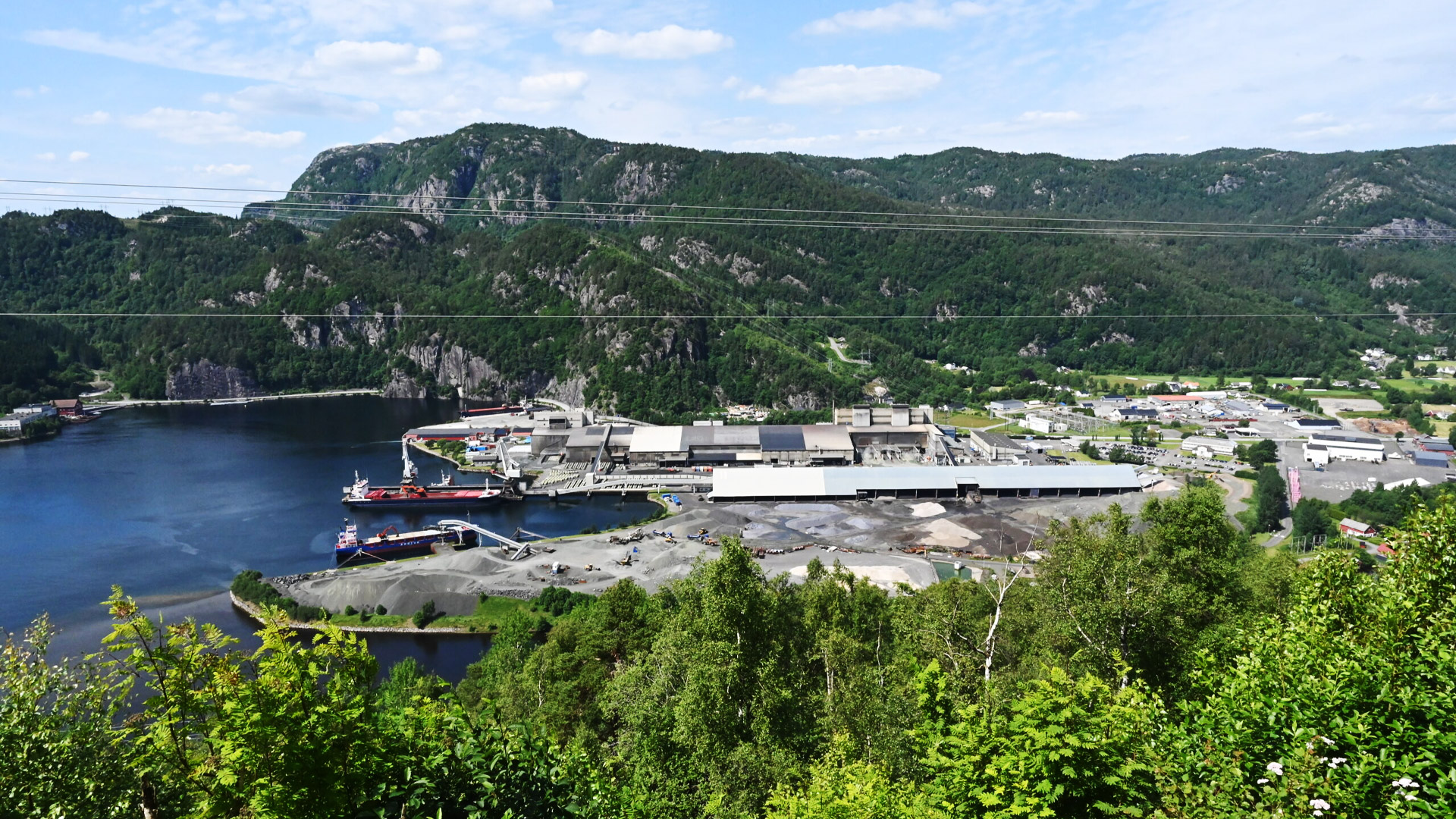
Eramet-Norway-Kvinesdal

Carbon capture, utilization and storage (CCUS) project in Norway

In October 2024, Eramet and LanzaTech, a specialist in carbon recycling, announced the launch of a project to decarbonize our manganese alloy production activities. Phase 1 of the project will focus on the use of carbon present in the gases from the pyrometallurgical furnaces at Eramet’s plant in Porsgrunn (“Carbon Capture & Utilization” or CCU). Approximately 30% of this carbon will be converted into ethanol in a plant built by LanzaTech (around 50,000 tCO2e/year). A second phase of the project is under study to permanently capture and store (“Carbon Capture and Storage” or CCS) the remaining 70% of CO2 (around 150,000 tCO2e).