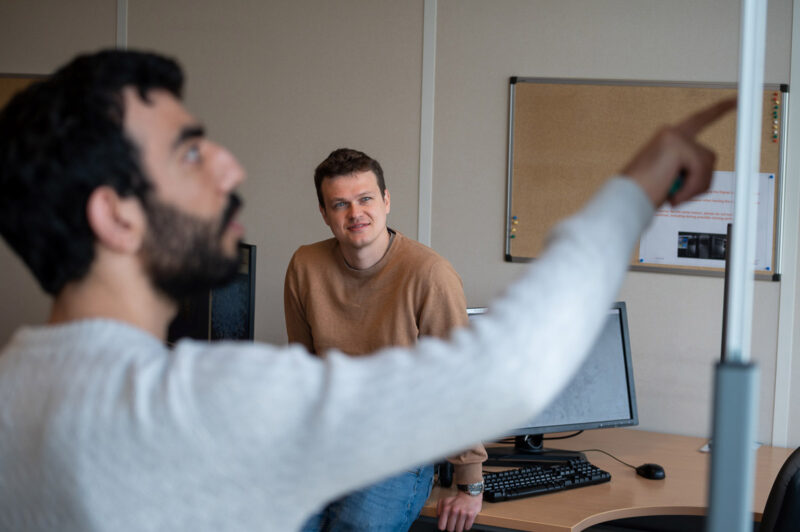
For the past four years, Eramet Ideas has been rebuilding itself as an open innovation center based on a commitment to partnerships with institutes, universities, startups and industrial partners.
This approach accelerates the generation of new ideas and access to rare skills, at the same time as pooling risks and sharing costs.
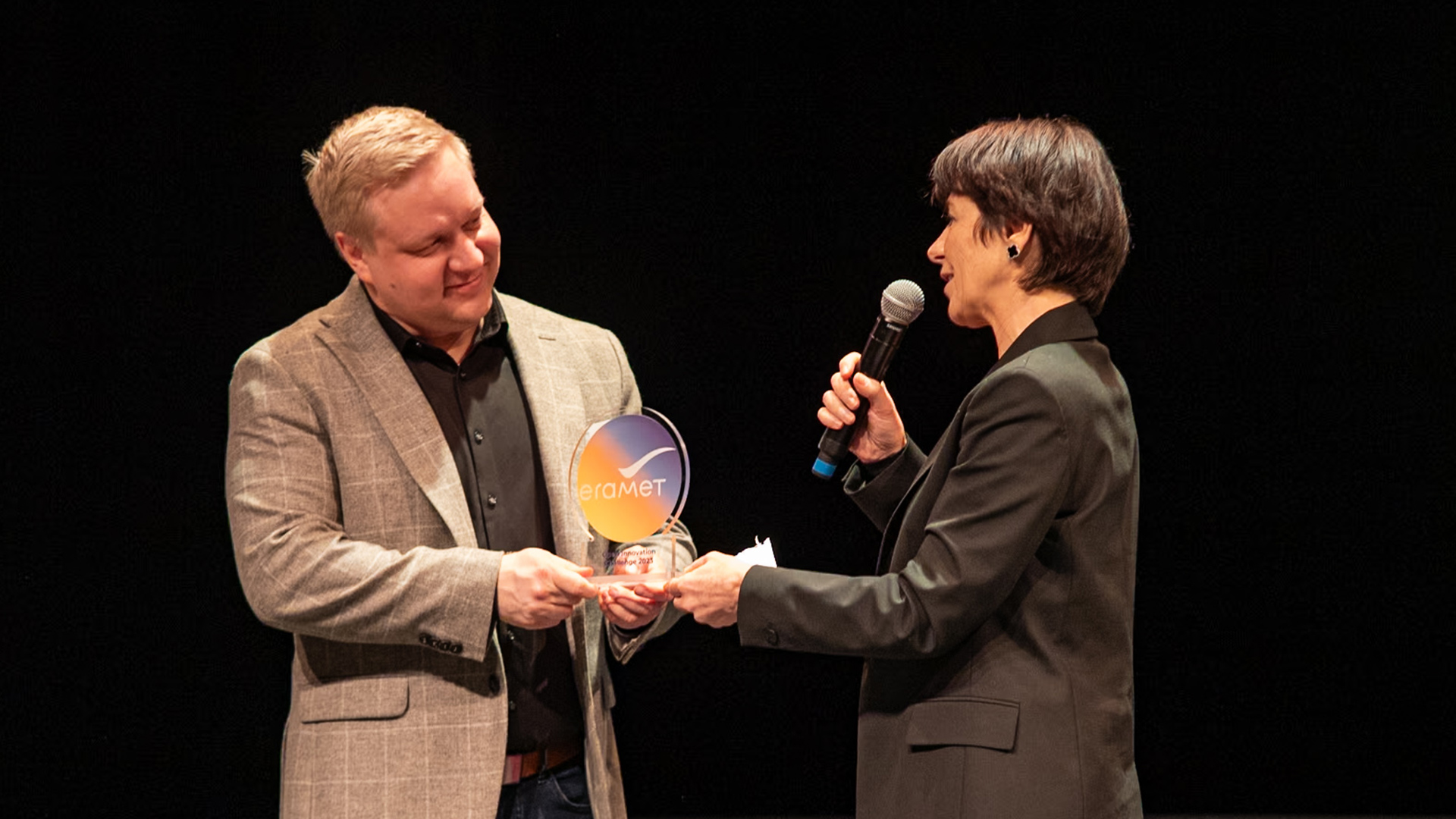
Since 2019, Eramet Ideas has been inviting startups and SMEs from around the world to take part in Open Innovation challenges focused on issues such as safety, responsible mining, digitalization. Each year, more than fifty participants take part, with the winning project receiving funding to test its solution in the field, and potentially roll it out on a larger scale across the Group’s various sites.
Startup Unusuals won the 2022 challenge with a solution using AI and data processing to automate maintenance and detect anomalies in order to reduce incidents on our railroads.
The solution will be tested over in the course of 2023 by Setrag in Gabon.
Find out about the winners of the 2020 and 2021 challenges.

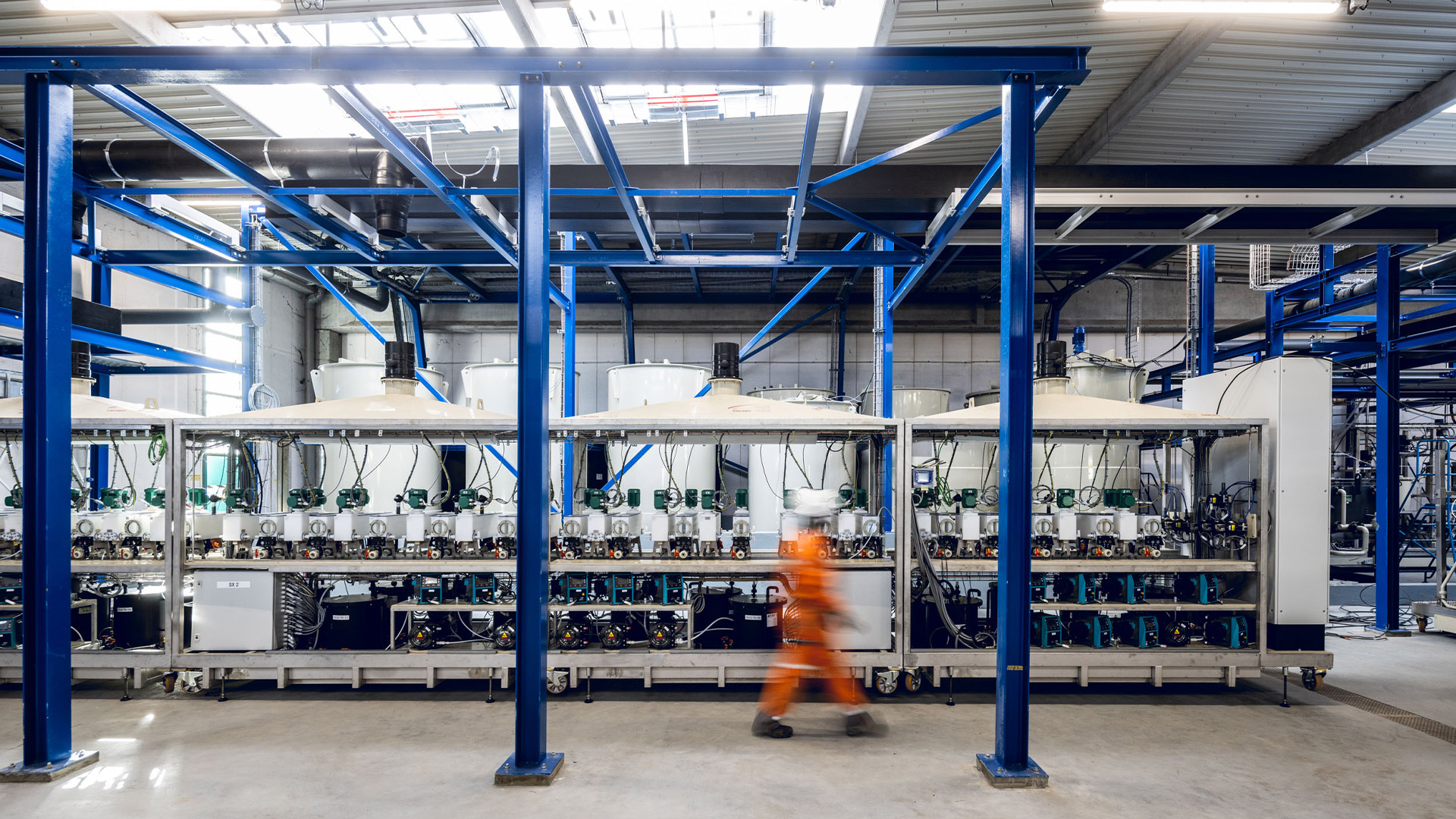
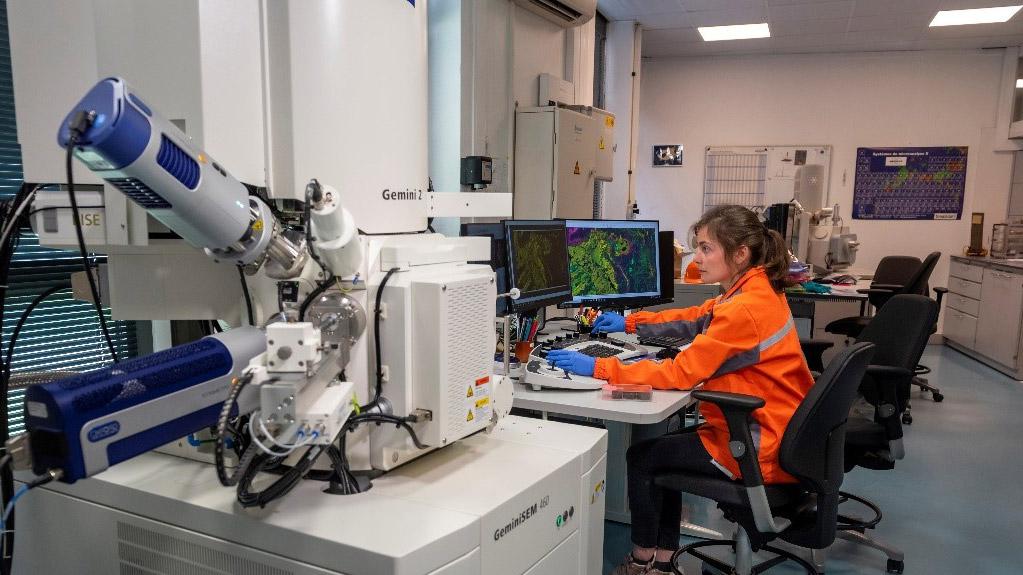
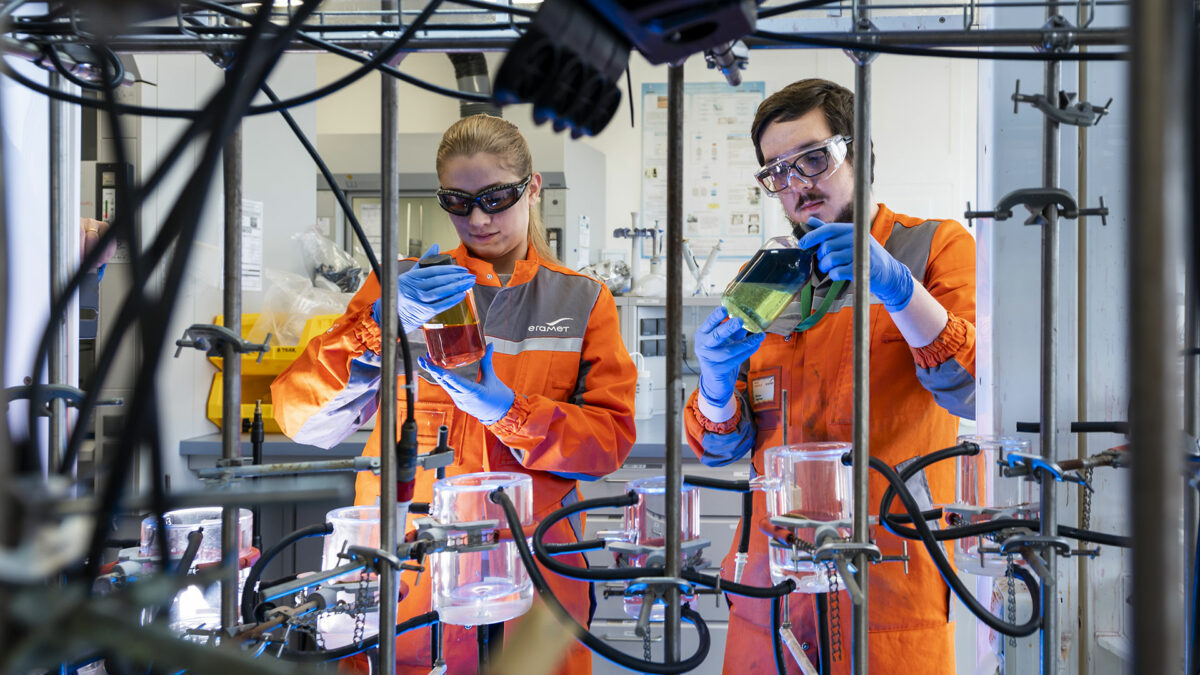 Eramet Ideas is made up of multicultural, multi-disciplinary teams who harness their expertise in geometallurgy (mining of complex deposits based on mineralogical, environmental and operational data), hydrometallurgy (ore recovery using chemical solutions) and pyrometallurgy (ore recovery using ultra-high temperature smelting and reduction) to optimize existing processes, develop new deposits and devise disruptive solutions.